Spring Maintenance for Cranes: A Complete Service Plan to Extend Equipment Lifespan

NEWS 80

As temperatures rise in spring, large day-night temperature differences, humidity, dust, and wind create the perfect conditions for crane failures. After winter downtime or heavy use, key components may suffer from corrosion, lubrication loss, electrical faults, and mechanical wear.

A comprehensive spring crane maintenance plan is essential—not only to prevent breakdowns but also to extend equipment lifespan and ensure safe, efficient operations.

This guide provides a practical, step-by-step crane maintenance checklist covering mechanical systems, electrical components, and safety devices.


Why Spring Crane Maintenance Is Critical

Many operators assume that “if the crane still works, maintenance can wait.” In reality, spring maintenance is one of the most important service cycles of the year.

Key Benefits:

  • Prevent seasonal failures caused by moisture, dust, and temperature fluctuations
  • Extend service life by addressing hidden wear early
  • Ensure operational safety by verifying all protection systems

👉 Core principle: Full inspection + targeted maintenance + standardized operation


Step-by-Step Spring Crane Maintenance Checklist

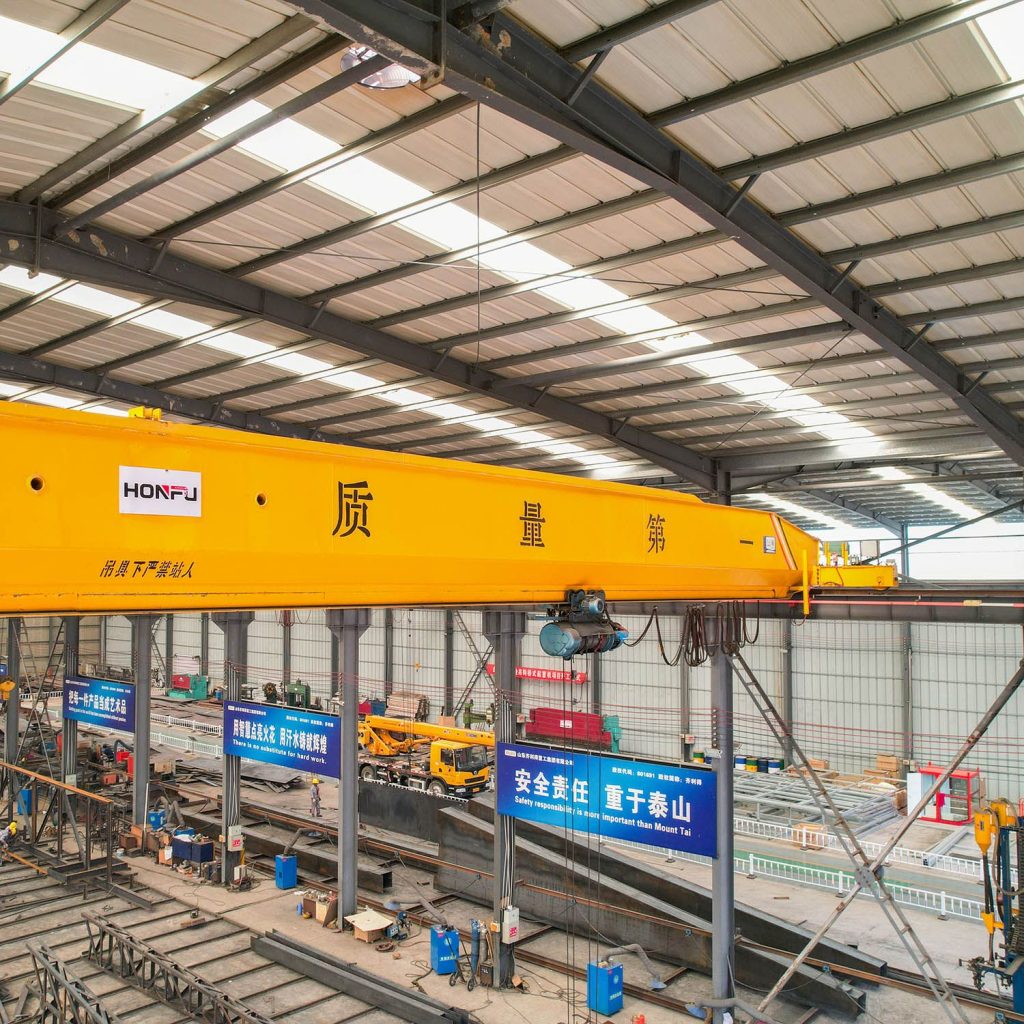
This plan applies to overhead cranes, gantry cranes, and light lifting equipment.


Step 1: Safety Preparation (Before Maintenance)

Before starting any work:

  • Disconnect main power supply
  • Place warning signs: “Maintenance in Progress”
  • Clean the work area (remove dust and obstacles)
  • Prepare tools (wrenches, lubricants, multimeter, cleaning agents)
  • Brief maintenance staff on procedures and safety rules

Step 2: Mechanical System Maintenance (Key Focus)

The mechanical system is the backbone of crane performance.

1. Hoisting Mechanism

  • Wire Rope:
    Check for corrosion, broken wires, wear, or deformation
    Apply anti-rust lubricant
    Replace if damage exceeds safety limits
  • Hook:
    Inspect for cracks and deformation
    Measure hook opening size
    Ensure safety latch is functional
  • Drum:
    Clean dirt and oil residue
    Check grooves and bearings
    Ensure smooth rotation

2. Traveling Mechanism

  • Wheels & Rails:
    Remove debris from rails
    Check alignment and wear
    Lubricate bearings
  • Main Beam & End Carriage:
    Inspect welds for cracks
    Check beam alignment
    Apply anti-corrosion coating

3. Transmission System

  • Gearbox:
    Replace contaminated or emulsified oil
    Check for leaks and seal condition
    Monitor for abnormal noise
  • Motor:
    Clean dust to ensure proper cooling
    Check insulation resistance
    Tighten electrical connections

Step 3: Electrical System Maintenance

Spring humidity increases the risk of short circuits and electrical failures.

  • Control Panel:
    Clean dust and debris
    Check contactors and relays
    Replace damaged wiring
  • Limit Switches:
    Test lifting and travel limits
    Ensure responsive operation
  • Cables & Wiring:
    Inspect for wear or damage
    Check grounding system
  • Control Devices:
    Test buttons and control handles for responsiveness

Step 4: Safety Device Inspection

Safety systems must be fully functional at all times.

  • Overload Limiter:
    Test alarm and cutoff function
  • Buffers:
    Check condition and effectiveness
  • Wind Protection Devices:
    Inspect rail clamps and anchors (especially for outdoor cranes)
  • Emergency Stop:
    Ensure immediate power cut-off when activated

Step 5: Testing & Commissioning

After maintenance, perform full testing:

  • No-load test:
    Check for smooth operation, noise, and stability
  • Load test:
    Test at 100% rated load
    Perform short 110% overload test
  • Final inspection:
    Recheck lubrication, wiring, and safety systems
    Record maintenance data for future tracking

Common Mistakes to Avoid

Avoid these frequent maintenance errors:

  • ❌ Only focusing on major components, ignoring small parts
  • ❌ Adding oil without replacing contaminated lubricant
  • ❌ Skipping testing after maintenance
  • ❌ Ignoring anti-corrosion treatment in humid conditions

Recommended Maintenance Frequency

  • Routine maintenance: Once per month
  • Comprehensive spring maintenance: Once per year (March–April)
  • Heavy-duty or outdoor cranes: Increase inspection frequency

Pro Tips for Better Crane Lifespan

  • Always use qualified spare parts
  • Keep detailed maintenance records
  • Follow strict safety procedures
  • Assign maintenance to trained professionals only

Conclusion: Proper Spring Maintenance = Longer Crane Life

Spring is a critical turning point for crane performance. A well-executed maintenance plan helps:

  • Reduce unexpected downtime
  • Improve operational efficiency
  • Extend equipment lifespan
  • Ensure safe lifting operations

👉 Simple takeaway: Prevent problems before they happen.


Need Professional Crane Maintenance Support?

If you need:

  • On-site inspection services
  • Spare parts replacement
  • Custom maintenance plans

👉 Contact our expert team today for reliable crane maintenance solutions and technical support.

The prev:

Related recommendations

Expand more!