When setting up or upgrading a workshop, choosing between a single girder overhead crane and a double girder overhead crane is a critical decision. The wrong choice can lead to wasted budget, reduced efficiency, and higher maintenance costs.
This guide compares both crane types in a practical, workshop-focused way—helping you select the right solution based on load, frequency, workspace, and budget.
1. Key Difference: Single vs Double Girder Cranes
Single Girder Overhead Crane (LD Type)
Structure: One main beam + electric hoist
Capacity: Typically 1–20 tons
Span: 7.5–22.5 meters
Best for: Light-duty, general workshop lifting
👉 Advantages:
Lower cost
Faster installation
Lightweight, low building load
Easy maintenance
Double Girder Overhead Crane (QD Type)
Structure: Two main beams + trolley system
Capacity: 5–50+ tons (customizable higher)
Span: Suitable for larger spans
Best for: Heavy-duty, high-frequency operations
👉 Advantages:
Higher lifting capacity
Better stability and precision
Longer service life
Suitable for continuous operation
2. Key Differences (Simplified Comparison)
Instead of a table, here’s a quick point-by-point comparison:
Load Capacity Single girder cranes are typically used for 1–20 tons, while double girder cranes handle 5 tons up to 100+ tons.
Working Duty Single girder cranes are suited for light to medium duty (A3–A5), whereas double girder cranes are built for heavy-duty, continuous work (A5–A8).
Stability & Precision Single girder cranes meet general handling needs. Double girder cranes offer smoother operation and higher positioning accuracy.
Headroom Requirement Single girder cranes require less space and are ideal for low workshop heights. Double girder cranes need more vertical space.
Cost Single girder cranes are more budget-friendly. Double girder cranes involve higher upfront investment but better long-term performance.
Installation Single girder cranes are easier and faster to install. Double girder cranes require more complex installation and alignment.
Usage Frequency Single girder cranes are suitable for intermittent use. Double girder cranes are designed for continuous, high-frequency operation.
Maintenance Single girder cranes are simpler and cheaper to maintain. Double girder cranes require more technical maintenance.
3. How to Choose for Your Workshop
1. Based on Load Capacity
≤10 tons → Single girder is enough
10–20 tons → Choose based on frequency
≥20 tons → Double girder recommended
2. Based on Usage Frequency
Occasional lifting → Single girder
Continuous or multi-shift work → Double girder
3. Based on Precision Needs
Standard material handling → Single girder
Precision lifting / heavy industry → Double girder
4. Based on Budget & Building Conditions
Limited budget / low building capacity → Single girder
Long-term heavy use / higher ROI → Double girder
4. Typical Applications
When to Choose a Single Girder Crane
Mechanical workshops
Warehouses & logistics
Light manufacturing (textile, food, hardware)
👉 Summary: Cost-effective and practical for most workshops
When You Need a Double Girder Crane
Steel plants & heavy industry
Mold handling & precision lifting
Power plants, shipyards
👉 Summary: High-performance solution for demanding environments
5. Common Mistakes to Avoid
Choosing a double girder crane for small loads → unnecessary cost
Using a single girder crane for heavy-duty work → safety risks
Ignoring duty class → frequent breakdowns later
6. Final Recommendation
Light load + limited budget + standard workshop → ✅ Choose a single girder crane
Heavy load + high frequency + precision needs → ✅ Choose a double girder crane
👉 Simple rule: Use single girder for efficiency and savings. Use double girder when performance and safety matter most.
Go out and learn Shandong Honfu Technology Co., Ltd. January 25, 2019 01:07 From January 20 to 22, a study and visit group led by the secretary of the Party branch of Shandong Honfu Technology Co., Ltd., and composed of the main heads of various ...
A trackless gantry crane is a mobile lifting system designed to lift and transport heavy loads without requiring fixed rails. Unlike traditional gantry cranes, it uses wheels or tires for movement, allowing the crane to operate flexibly on suitabl...
Learn the common causes of weak electromagnetic chuck magnetic force and discover effective troubleshooting solutions, maintenance tips, and repair methods to improve lifting safety and equipment performance.
Download complete rubber-tyred gantry crane dimension drawings, lifting capacity parameters, and structure data for a custom workstation jib crane for factory light material handling.
 Bridge crane | Gantry crane | Suspension crane | Hongfu Crane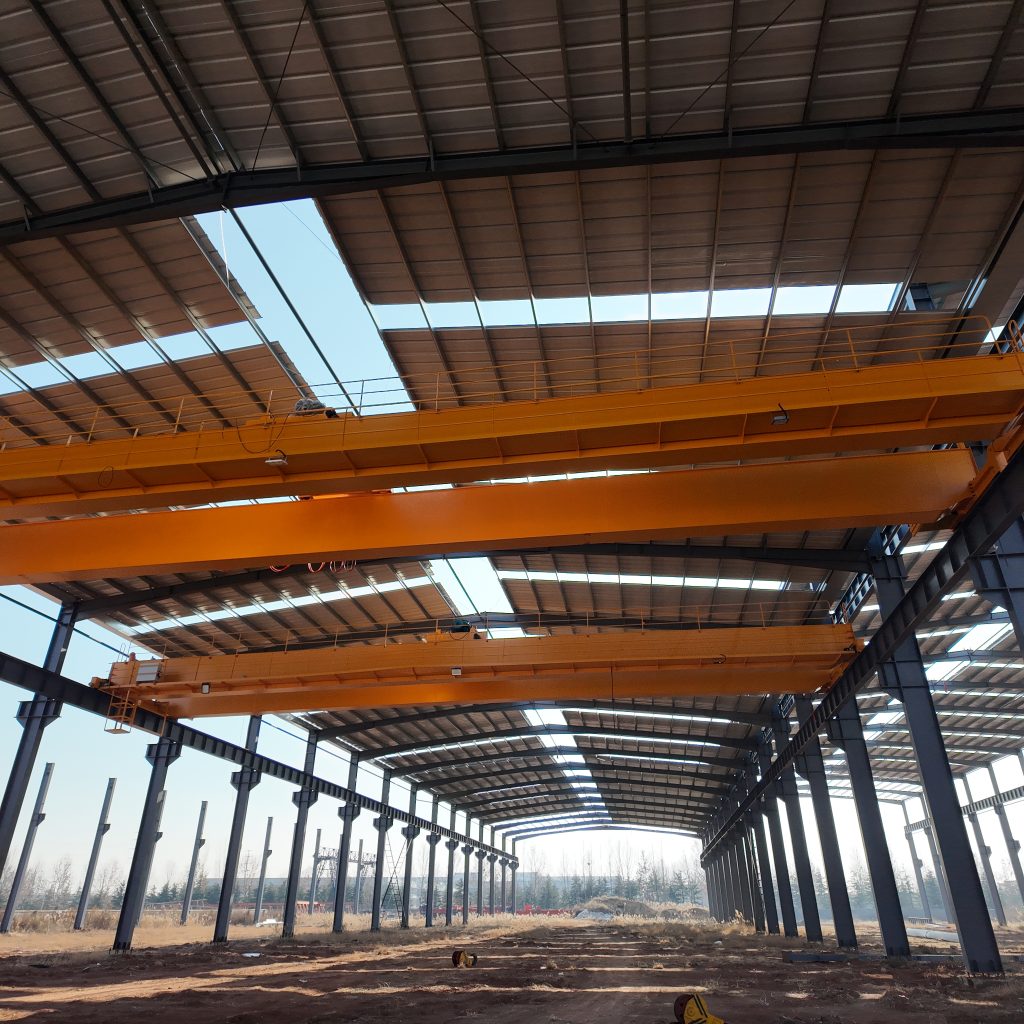
HelloPlease log in