What Is an LX Type Suspension Crane, and What Is the Standard Lifting Height?
When renovating an existing plant or setting up a new production line, lifting height and adaptability are usually the first concerns. The LX type suspension crane is directly suspended from the structure below the plant roof and travels along the underside of the roof beams. Because it occupies no floor space, it is an ideal choice for workshops with dense aisles and compact equipment layouts.
Standard lifting height options
In standard configuration, LX type suspension cranes are commonly supplied with lifting heights of 6 m, 9 m, 12 m, 18 m and 24 m, with a maximum of 30 m (limited by the hoist drum rope capacity). For most plants, the 6–12 m range is the most frequently used and suits the majority of workshop buildings.
Important: nominal lifting height ≠ actual usable height
Because the suspension crane hangs below the roof I-beam, the main girder, the hoist body and the suspension components all take up part of the building’s clear height. To find the effective height the hook can actually lower, you must deduct the crane’s own structural height from the nominal figure. So always verify the real usable hook travel for your specific building rather than relying on the nameplate value alone.
Can the Lifting Height Be Customized to Match Your Workshop Height?
Yes. HONFU supports non-standard customization and can match the lifting height to the actual clear height of your workshop. There are two typical customization directions:
1) High-lifting-height customization If you need more than the standard lifting height, the hoist drum and wire rope must be extended accordingly. The higher the lifting height, the more demanding the selection of the hoist drum and wire rope. For lifting heights above 18 m, a dual-speed hoist is recommended to reduce the risk of wire rope entanglement.
2) Low-headroom customization (when the plant is not tall enough) For old workshops with limited building height, a low-headroom hoist can be used to compress the hoist body height and maximize the hook’s lowering distance within the available space. This is a high-frequency requirement in older plant renovation projects.
Limiting conditions to keep in mind
The clear space below the workshop’s steel structure rail is the hard upper limit. If the plant is not tall enough, no hoist can create lifting height that physically does not exist.
The greater the lifting height, the stronger the hoist drum and wire rope need to be — and the higher the cost.
For ultra-high lifting applications, dual-speed or variable-frequency drives are recommended to reduce wire rope winding problems.
Shandong Honfu Technology Co., Ltd. (HONFU) has accumulated extensive hands-on experience in the design and manufacture of suspension cranes. Based on your workshop height, process layout and lifting requirements, the company can provide tailor-made non-standard customization solutions.
If your workshop height is unusual, we recommend providing our technical team with the following parameters: plant clear height, rated lifting capacity, span, and hook lowest point position. With these figures, our engineers will prepare a layout drawing and load verification plan, and then determine the final lifting height and configuration together with you.
Egyptian customers visit the factory ------- to enhance confidence in cooperation and create a better future Shandong Honfu Technology Co., Ltd. office January 27, 2024 09:56 Shandong On January 20, 2024, Mr. Ahmed Abd Alsalam and Mr. Fekry Alawdi...
Go out and learn Shandong Honfu Technology Co., Ltd. January 25, 2019 01:07 From January 20 to 22, a study and visit group led by the secretary of the Party branch of Shandong Honfu Technology Co., Ltd., and composed of the main heads of various ...
Looking for a reliable crane maintenance checklist? Discover a complete spring crane maintenance guide to prevent breakdowns, improve safety, and extend equipment lifespan. Get expert support today.
Download complete rubber-tyred gantry crane dimension drawings, lifting capacity parameters, and structure data for a custom workstation jib crane for factory light material handling.
 Bridge crane | Gantry crane | Suspension crane | Hongfu Crane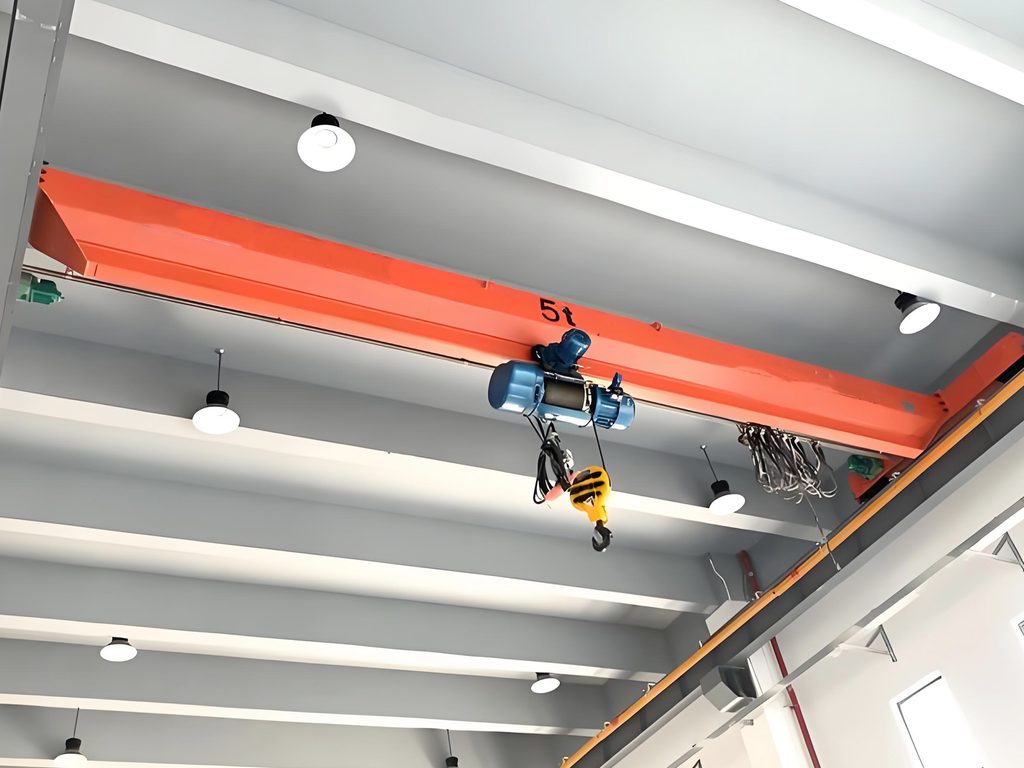
HelloPlease log in