 Bridge crane | Gantry crane | Suspension crane | Hongfu Crane
25/5T Double Girder Crane: Technical Parameters & Buying Guide 2026
0A 25/5T double girder crane is a 25-ton main hook and 5-ton auxiliary hook overhead crane for medium- and heavy-duty industrial lifting.
View details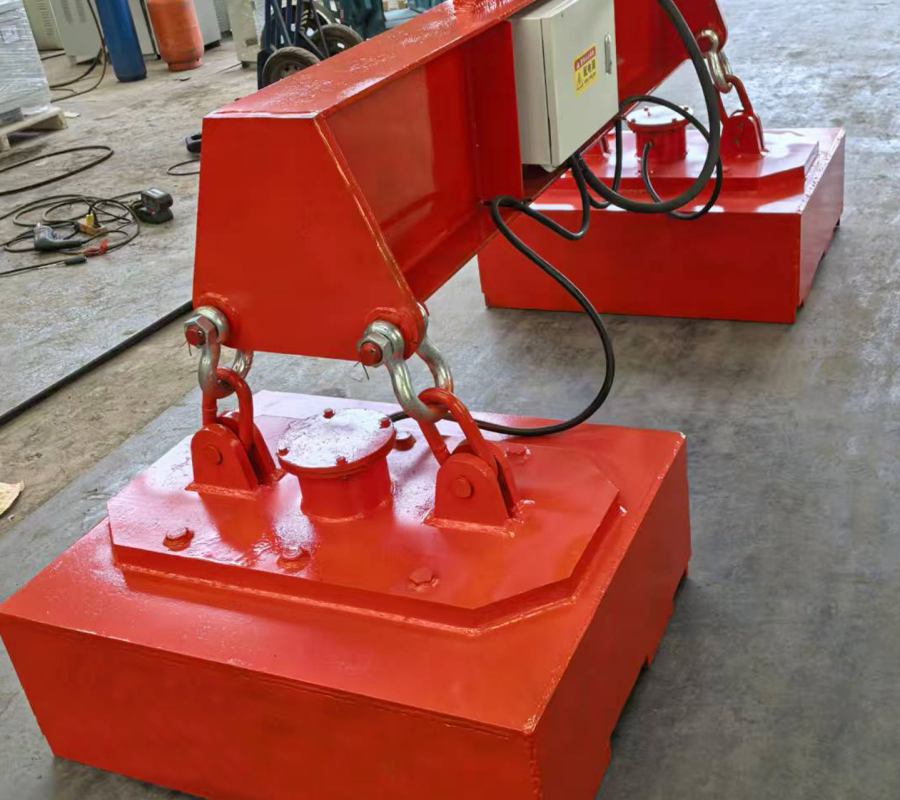
An overhead crane electromagnetic lifting magnet is widely used in steel mills, scrap yards, and steel warehouses for handling steel plates, scrap metal, steel billets, and other ferrous materials. Choosing the right magnet requires more than considering magnetic lifting force. Crane capacity, material shape, operating temperature, duty cycle, and electrical accessories all affect lifting safety and efficiency.
Before selecting a magnet, calculate the actual lifting capacity of the crane.
Available load capacity = Crane rated capacity − Magnet self-weight
For example, a 5-ton overhead crane equipped with a 1-ton electromagnetic magnet can lift approximately 4 tons of material, subject to the crane’s configuration and rated capacity requirements.
Single-girder cranes are generally suitable for small and medium-sized magnets, while double-girder cranes are more suitable for heavy-duty scrap handling and frequent lifting operations.
Different materials require different magnet designs.
For thin steel plates, choose a magnet with fast demagnetization to reduce the risk of lifting multiple sheets simultaneously.
Operating temperature directly affects magnet performance.
Standard electromagnetic magnets are suitable for cold steel plates and normal-temperature scrap metal. For hot steel billets and high-temperature castings, heat-resistant magnets with specialized insulation and coil designs are recommended.
For continuous, high-frequency operations, select heavy-duty magnets with enhanced coil insulation and heat dissipation. Standard models are generally sufficient for intermittent lifting applications.
A complete crane electromagnetic lifting system typically includes:
All electrical components should be properly matched to the magnet and crane to ensure safe and reliable operation.
For outdoor applications, choose waterproof and dust-resistant designs. In dusty or humid workshops, appropriate protection levels and corrosion-resistant components help extend equipment service life.
It is also important to consider installation conditions, maintenance requirements, and operating frequency before making a final decision.
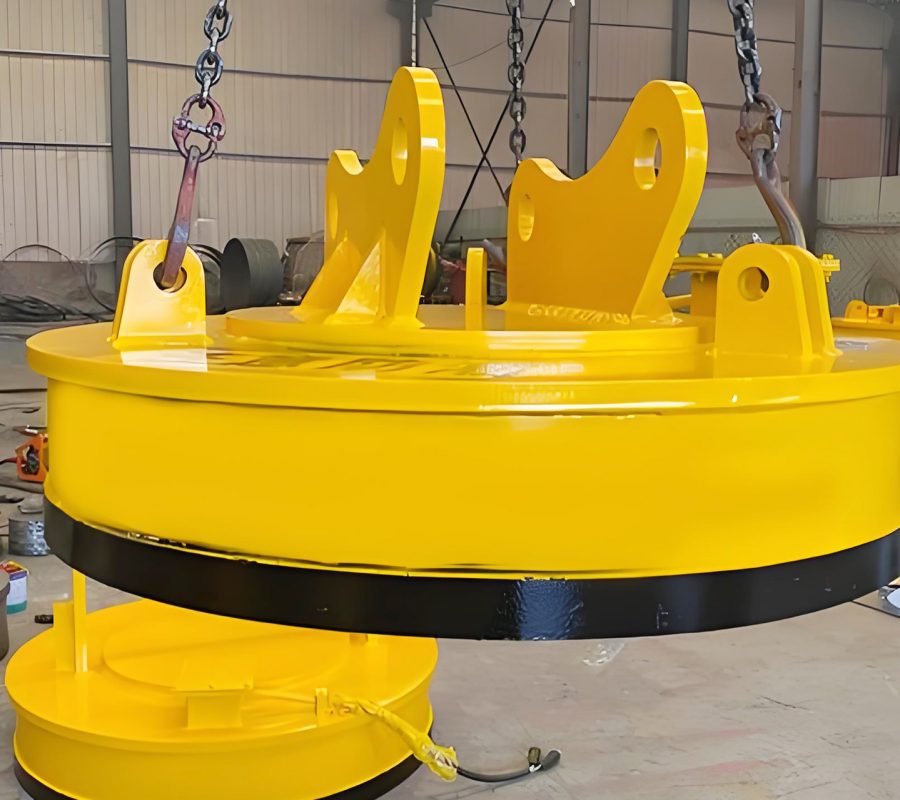
Shandong Hongfu provides customized electromagnetic lifting magnets for single-girder and double-girder overhead cranes. Our solutions cover scrap steel, steel plates, steel billets, and other ferrous material handling applications.
We offer complete equipment matching, electrical control systems, export delivery, on-site installation, commissioning, and maintenance support.
If you are looking for a reliable overhead crane electromagnetic lifting magnet, contact Hongfu for a customized lifting solution based on your crane specifications and working conditions.
A 25/5T double girder crane is a 25-ton main hook and 5-ton auxiliary hook overhead crane for medium- and heavy-duty industrial lifting.
View details
A trackless gantry crane is a mobile lifting system designed to lift and transport heavy loads without requiring fixed rails. Unlike traditional gantry cranes, it uses wheels or tires for movement, allowing the crane to operate flexibly on suitabl...
View details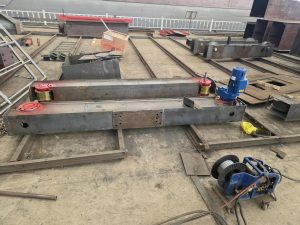
Struggling with crane gearbox noise or oil leaks in spring? Learn causes, maintenance steps, and expert tips to prevent downtime and extend gearbox life.
View details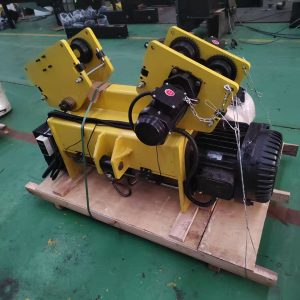
Confused about electric hoists, winches, and pulleys? Learn the key differences, applications, and how to choose the right light lifting equipment for your needs.
View details
HelloPlease log in