Light Lifting Equipment Guide: How to Choose Between Electric Hoists, Winches, and Pulleys Introduction Choosing the right light lifting equipment can be confusing—especially when deciding between electric hoists, winches, and pulleys .
Many buyers make the mistake of selecting the wrong equipment, which leads to:
Low efficiency Equipment underuse Safety risks This guide will help you clearly understand the differences and choose the best solution for your application.
What Is Light Lifting Equipment? Light lifting equipment refers to compact, easy-to-use lifting devices typically used for:
Workshop production Warehouse handling Small construction projects Typical Features Small size and lightweight Load capacity usually under 50 tons Simple operation Flexible installation Main Types of Light Lifting Equipment Light lifting equipment can be divided into two main categories:
1. Manual Lifting Equipment (No Power Required) Best for low-frequency and light-duty tasks.
Common Types: Manual pulleys (block & tackle) Manual winches Manual chain hoists 👉 Ideal for:
No power supply environments Temporary lifting tasks Outdoor work 2. Electric Lifting Equipment (Powered & Efficient) Best for medium to high-frequency operations.
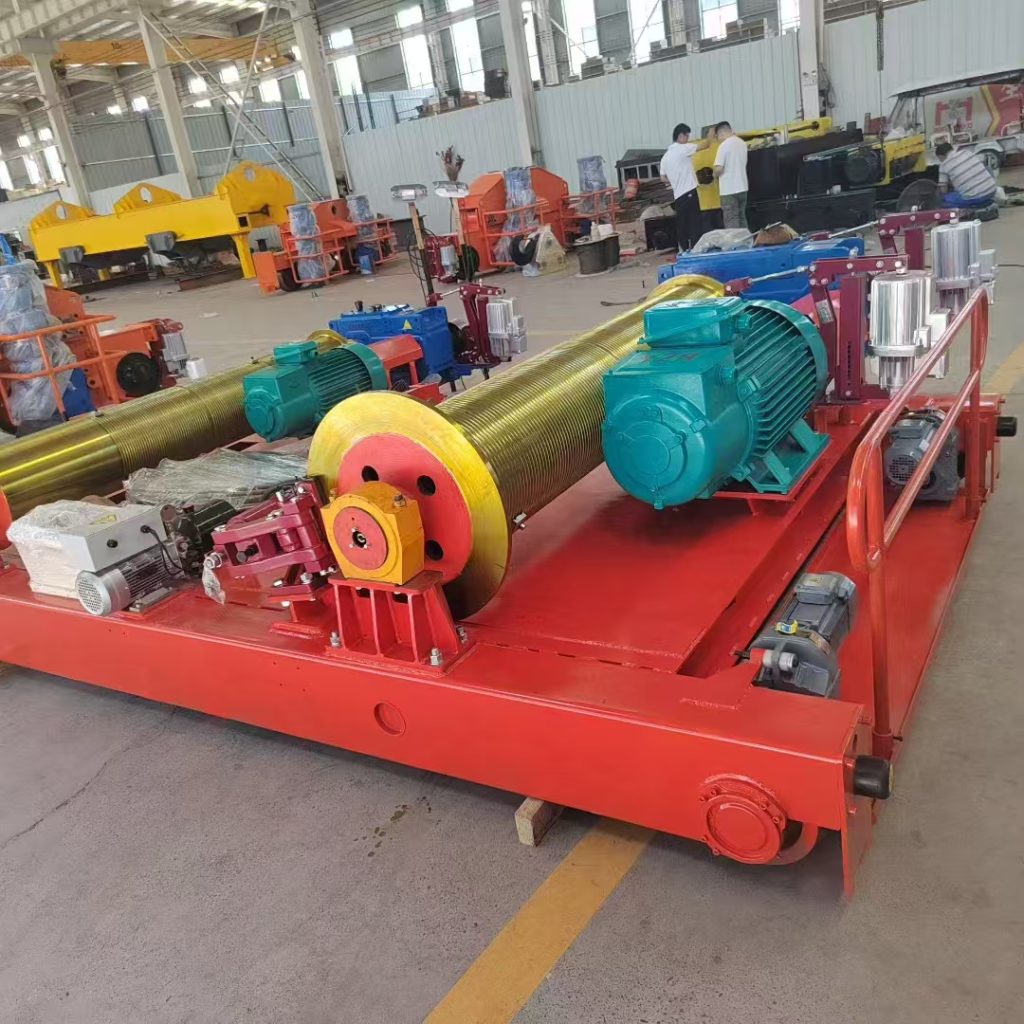
Common Types: Electric hoists (wire rope / chain) Electric winches Mini electric cranes 👉 Ideal for:
Workshops and warehouses Repetitive lifting tasks Higher efficiency needs Electric Hoist vs Winch vs Pulley: Key Differences Many users think these three devices are interchangeable—but they are not.
1. Electric Hoist: Best for Vertical Lifting & Workshop Use Key Features Designed for vertical lifting + horizontal movement Can be mounted on beams or rails Easy push-button operation Best Applications Factory material handling Warehouse lifting Assembly lines Typical Capacity 👉 Best choice for most indoor lifting tasks
2. Winch: Best for Pulling and Dragging Key Features Designed for horizontal or inclined pulling Strong traction force Available in manual or electric versions Best Applications Construction sites Outdoor material pulling Equipment positioning ⚠️ Not recommended for continuous vertical lifting
3. Pulley: Simple, Low-Cost Auxiliary Tool Key Features No power required Changes direction of force Can be combined into pulley systems Best Applications Temporary lifting Light-duty tasks Maintenance work 👉 Often used as a supporting tool , not a primary lifting device
How to Choose the Right Equipment (Practical Guide) Choose an Electric Hoist If: You need vertical lifting + horizontal movement You work in a fixed location (workshop/warehouse) You require efficiency and precision Choose a Winch If: Your task is mainly pulling or dragging loads You work outdoors or in construction sites You need strong traction force Choose a Pulley If: You need a temporary or low-cost solution Load is light No power supply is available Common Mistakes to Avoid ❌ Using a winch for vertical lifting → Unsafe and inefficient
❌ Choosing electric equipment without power supply → Cannot operate
❌ Using pulleys for frequent operations → Low efficiency and high labor effort
❌ Oversizing capacity unnecessarily → Higher cost with no benefit
Pro Tips for Buyers Always define your load capacity, frequency, and environment Consider power availability Match equipment to actual application, not assumptions Consult professionals for complex projects FAQ (SEO Featured Snippet Section) What is the difference between a hoist and a winch? A hoist is designed for vertical lifting, while a winch is mainly used for horizontal pulling.
Can a winch be used for lifting? It can, but it is not recommended for regular vertical lifting due to safety concerns.
Which is better: electric hoist or pulley? For frequent and efficient lifting, an electric hoist is better. Pulleys are suitable for simple, temporary tasks.
Conclusion Choosing the right light lifting equipment is not about price—it’s about application fit .
Electric hoists → best for workshops and vertical lifting Winches → best for pulling tasks Pulleys → best for simple, temporary use Making the right choice improves efficiency, reduces costs, and ensures safety.
 Bridge crane | Gantry crane | Suspension crane | Hongfu Crane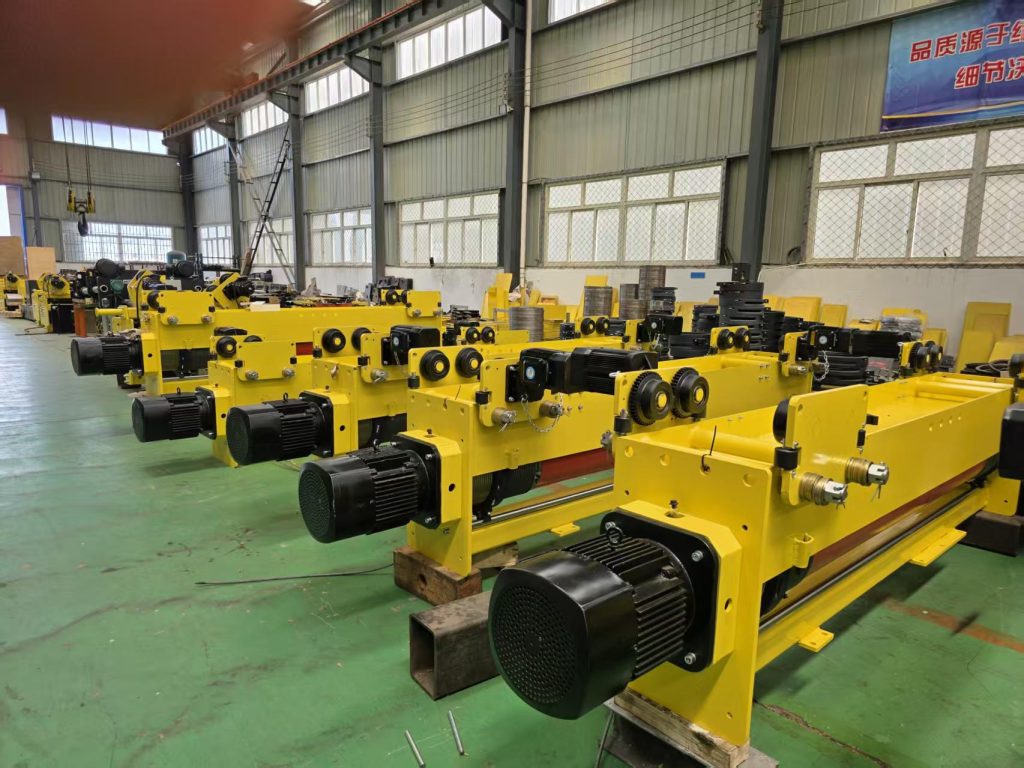
HelloPlease log in