Gantry crane traveling brakes control the horizontal movement of the whole crane along rails. They stop the crane steadily and hold position against wind load. Traveling brake failure is a high-risk fault for outdoor gantry cranes. It may cause sliding, collision or runaway accidents. This guide covers common traveling brake faults, diagnosis steps and practical fixes for factory maintenance teams and crane operators.
What Is Gantry Crane Traveling Brake?
The traveling brake fits on the end carriage travel motor. Most gantry cranes use electromagnetic thruster brakes. It locks the wheel set when power cuts off. It releases automatically when the travel motor runs. Different from hoist brakes for lifting loads, traveling brakes focus on rail movement and wind resistance. Poor traveling brake performance is more common on outdoor gantry cranes exposed to dust, rain and strong wind.
5 Common Gantry Crane Traveling Brake Failures & Causes
1. Brake slips, long stopping distance, crane slides after power off
Causes:
Brake lining wears thin, rivets touch the brake wheel
Oil or grease contaminates the friction surface
Main brake spring loses tension
Brake clearance is too large
Wind load exceeds the brake holding torque
Solutions:
Replace worn brake linings immediately
Clean brake wheel with degreaser
Adjust or replace fatigue springs
Reset brake gap to manufacturer standard
Add wind anchoring device for outdoor heavy wind areas
2. Brake dragging, overheating, hot brake housing
Causes:
Brake clearance is too small
Hinge pins stuck by rust or dust
Thruster push rod stuck and cannot fully release
Misaligned brake shoe
Solutions:
Re-adjust brake gap evenly on both sides
Disassemble, clean and lubricate hinge points
Repair or replace the hydraulic thruster
Re-center brake shoes to the brake wheel
3. Brake cannot release, crane cannot travel
Causes:
Burnt brake coil or loose wiring
Rectifier module damaged
Thruster lacks oil or has air inside the cylinder
Mechanical jam on brake arm
Solutions:
Test coil continuity with multimeter. Replace burnt coil
Check and replace faulty rectifier
Bleed air and refill hydraulic oil for thruster
Clear blockage and free stuck brake linkage
4. Abnormal noise, squeal or knocking when braking
Causes:
Uneven lining wear
Foreign debris between lining and brake wheel
Loose brake bracket bolts
Unbalanced brake shoe contact
Solutions:
Trim or replace uneven linings
Remove dust and debris
Tighten all mounting bolts
Adjust contact surface to reach over 80% fitting area
5. Brake works intermittently, unstable stopping
Causes:
Loose control circuit terminals
Aging contactor or relay
Voltage fluctuation at the travel motor
Water corrosion on wiring terminals (outdoor gantry crane)
Solutions:
Re-tighten all wire terminals
Replace worn contactors
Stabilize power supply
Add waterproof protection for outdoor electrical boxes
Step-by-Step Safe Troubleshooting Workflow
Always cut off main power and lock out the crane before brake inspection.
Run visual check: look for oil leaks, broken linings, rust and loose bolts.
Test brake response: power on and test release action; power off to check stopping performance.
Measure brake clearance with a feeler gauge.
Check electrical parts: coil, rectifier, wiring and contactor.
Inspect thruster oil level and air bubbles.
Do static holding test after repair. Confirm the crane does not slide under rated load.
Record test data for maintenance logs.
Preventive Maintenance Checklist for Gantry Crane Traveling Brakes
Daily: Check brake sound, response and oil contamination before operation
Weekly: Measure brake clearance and check lining thickness
Monthly: Lubricate hinge pins, test coil and tighten wiring
Quarterly: Test brake holding torque under wind load
Yearly: Full disassembly, replace aging springs and linings
When You Need Professional Crane Service
Stop operation at once if you see these signs:
The crane slides obviously on rails after braking
Brake overheats rapidly after short running
Coil burns repeatedly after replacement
Cracked brake wheel or broken brake arm
Contact your crane manufacturer or certified technician. Do not operate the gantry crane with failed traveling brakes.
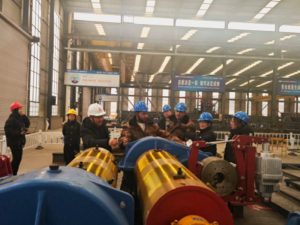
Egyptian customers visit the factory ------- to enhance confidence in cooperation and create a better future Shandong Honfu Technology Co., Ltd. office January 27, 2024 09:56 Shandong On January 20, 2024, Mr. Ahmed Abd Alsalam and Mr. Fekry Alawdi...
Confused about electric hoists, winches, and pulleys? Learn the key differences, applications, and how to choose the right light lifting equipment for your needs.
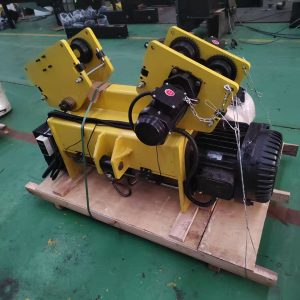
When purchasing a European electric hoist, many buyers struggle to understand technical specifications such as lifting capacity, lifting height, hoisting speed, duty classification, and motor configuration. Choosing the wrong parameters can lead t...
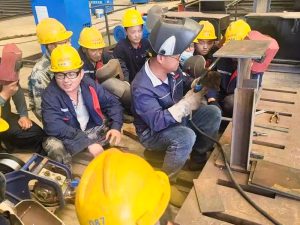
July 12, 24 years Xintai City "crane manufacturing" project training welder class in Honfu Company. Shandong Honfu Technology Co., Ltd. office In order to further enhance and enrich the theoretical knowledge and practical skills of the company's t...
 Bridge crane | Gantry crane | Suspension crane | Hongfu Crane

HelloPlease log in