Many lifting workers ask the same question. Wire ropes can sling a load directly. Why add a spreader beam?
The two methods differ in force principles and safety. A spreader beam sits between the crane hook and the load. It is a rigid structural member. It turns “flexible bundling” into “rigid constraint”. The direction and distribution of forces change completely.
Direct slinging creates wide angles. Horizontal force components appear. A spreader beam keeps slings nearly vertical. The load spreads evenly across multiple lifting points. This is why spreader beams suit steel plates, boxes, steel structures and molds.
Six Key Advantages of Using a Spreader Beam
1. Safer lifting with lower rope load
Direct slinging forms a large angle. Horizontal force components multiply the rope load. A spreader beam keeps slings near vertical. Rope load drops sharply. Overload damage becomes unlikely.
2. Workpieces stay intact
Diagonal slings press the load inward from both sides. Steel plates, boxes, steel structures and molds can deform. Edges get crushed. A spreader beam removes the lateral squeeze. Precision parts and painted products lift cleanly.
3. More usable height in low plants
Direct slinging takes up vertical space. A spreader beam shortens the space the slings occupy. Workshops with limited hook travel gain usable lifting height.
4. Balanced multi-point lifting
Double-point and four-point beams fix the distance between lifting points. Chains and ropes stay uniform in length. The load distributes evenly. Single-side loading, tilting and flipping are avoided.
5. Fast, repeatable batch lifting
Lifting points are fixed or adjustable. No re-measuring before every lift. Repetitive jobs run faster. Human error drops.
6. One beam, many uses
Match it with lifting clamps, shackles, suction cups and chain slings. One beam handles diverse workpieces and working conditions.
Shandong Hongfu Technology Co., Ltd. (HONFU) develops and produces lifting equipment. Products follow relevant crane standards. The beam bodies use high-strength profiles. Key lifting lugs are forged. Important welds receive non-destructive testing. Each unit ships with load test records and a product certificate.
HONFU offers fixed, adjustable and multi-point structures. Non-standard sizes follow your workpiece dimensions. Surface options include painting and anti-corrosion treatment. Indoor workshops and outdoor sites are both covered. The beams work with shackles, chains and clamps. They match bridge cranes, gantry cranes and similar machines.
Send us your load size, weight, lifting point plan and working environment. Our engineers will recommend the right beam or design one for you.
Learn how to maintain and adjust your crane brake system to prevent brake failure, slipping, and safety risks. Step-by-step guide with troubleshooting tips. Improve crane safety and performance—get expert support today.
Discover crane wear parts replacement cycles, inspection tips, and spare parts stocking strategies. Prevent downtime, reduce failures, and keep operations running. Get expert support and spare parts solutions today.
Looking for a reliable crane maintenance checklist? Discover a complete spring crane maintenance guide to prevent breakdowns, improve safety, and extend equipment lifespan. Get expert support today.
Download complete rubber-tyred gantry crane dimension drawings, lifting capacity parameters, and structure data for a custom workstation jib crane for factory light material handling.
 Bridge crane | Gantry crane | Suspension crane | Hongfu Crane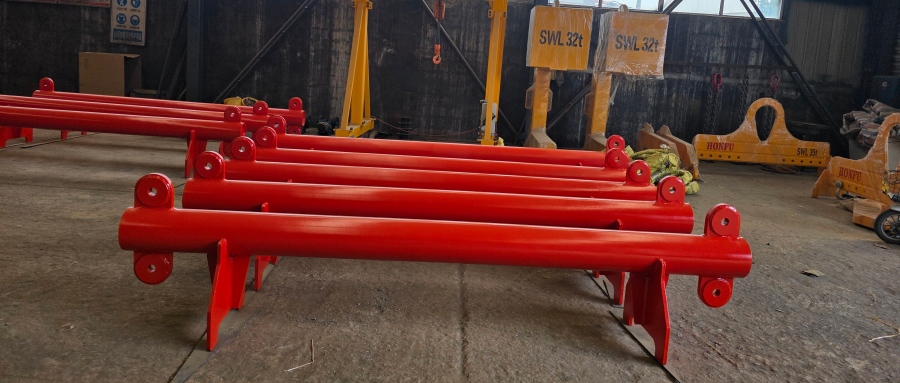
HelloPlease log in