Electromagnetic Chuck is widely used in metal processing, steel lifting, machining workshops, and recyclng industries due to its strong holding force, easy operation, and high efficiency. However, after long-term use, weak magnetic force is one of the most common problems users encounter.
Insufficient magnetic force can lead to workpiece slipping, unstable lifting, machining deviation, and even serious safety accidents. Fortunately, most magnetic force problems are not caused by permanent equipment damage. With proper troubleshooting and maintenance, the performance of the electromagnetic chuck can often be restored quickly.
This article explains the common reasons for weak magnetic force and provides practical troubleshooting solutions to help reduce downtime and maintenance costs.
Common Causes of Weak Electromagnetic Chuck Force
1. Unstable or Low Power Supply
Voltage instability is one of the leading causes of reduced magnetic force. If the input voltage is lower than the rated value, the excitation current decreases, directly weakening the magnetic force.
Common issues include:
Factory voltage fluctuations
Long power cables causing voltage loss
Undersized power wires
Loose electrical connections
2. Damaged or Aging Coil
The electromagnetic coil is the core component of the chuck. Long-term overheating, overload operation, or moisture exposure may damage the coil insulation, causing magnetic leakage and reduced suction force.
Signs include:
Weak holding force
Excessive heat
Intermittent magnetism
3. Worn or Uneven Chuck Surface
Over time, the chuck surface may become scratched, deformed, or uneven due to impact and continuous grinding operations. Poor contact between the chuck and workpiece reduces magnetic transmission efficiency.
4. Poor Heat Dissipation
Blocked ventilation holes or excessive dust buildup can prevent heat from escaping. When the internal temperature becomes too high, magnetic performance drops significantly and may cause permanent demagnetization.
5. Incorrect Workpiece Material or Shape
Electromagnetic chucks perform best with ferromagnetic materials such as steel. Thin plates, irregular shapes, curved surfaces, or oily workpieces reduce the effective contact area and weaken magnetic holding force.
Effective Solutions for Weak Magnetic Force
Check the Electrical System
Measure input voltage regularly
Tighten loose terminals and cable connections
Replace damaged wires and connectors
Inspect rectifiers and control units
Protect and Maintain the Coil
Improve waterproof sealing
Prevent coolant or moisture from entering the chuck
Replace damaged insulation components promptly
Clean and Repair the Chuck Surface
Remove metal chips, oil, and dust daily
Regrind uneven surfaces if necessary
Adjust magnetic pole gaps for balanced magnetic distribution
Improve Cooling Performance
Clean ventilation channels regularly
Install additional cooling fans in high-temperature environments
Avoid continuous overload operation
Use the Correct Workpiece
Ensure the material is magnetic
Remove thick rust, paint, or oil before operation
Use customized chucks for thin or irregular workpieces
Simple Troubleshooting Process
Inspect the chuck surface and wiring
Measure input voltage and current
Check operating temperature
Test magnetic holding force
Inspect internal coils and insulation if necessary
Daily Maintenance Tips
Proper maintenance can prevent over 70% of electromagnetic chuck failures.
Recommended practices:
Weekly inspection of cables and connectors
Monthly voltage and insulation testing
Regular cleaning of the chuck surface
Semi-annual deep maintenance and component replacement
Conclusion
Weak magnetic force in an electromagnetic chuck is usually caused by electrical issues, coil damage, surface wear, overheating, or improper operation. Timely troubleshooting and routine maintenance can effectively restore magnetic performance, improve workplace safety, and extend equipment service life.
For industrial lifting, steel handling, and machining applications, proper maintenance of the electromagnetic chuck is essential for stable and efficient operation.
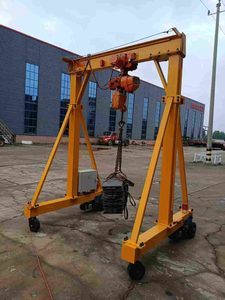
A trackless gantry crane is a mobile lifting system designed to lift and transport heavy loads without requiring fixed rails. Unlike traditional gantry cranes, it uses wheels or tires for movement, allowing the crane to operate flexibly on suitabl...
On the Lantern Festival, Shandong Honfu brings spring greetings to Pakistan Shandong Honfu Technology Co., Ltd. office February 18, 2019 22:44 On the eve of the Chinese New Year Lantern Festival, the wheeled gantry crane (RTG) independe...
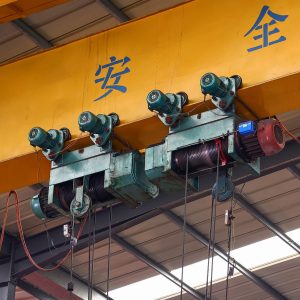
Crane hoist lacks lifting power? Learn the main causes, step-by-step troubleshooting, and quick fixes to restore lifting performance and reduce downtime.
LX type suspension cranes offer standard lifting heights from 6 m to 30 m and can be non-standard customized to match your workshop's clear height, with high...
 Bridge crane | Gantry crane | Suspension crane | Hongfu Crane
HelloPlease log in