 Bridge crane | Gantry crane | Suspension crane | Hongfu Crane
Can Pipe Lifting Clamps Lift Long Steel Pipes? A Selection Guide
A common question from steel pipe processing and storage facilities is: Can pipe lifting clamps lift long steel pipes?
Yes, they can—but the pipe length, weight and diameter all need to be considered. A long steel pipe should not simply be lifted from one point with a single clamp. As the pipe gets longer, its weight distribution and bending become more important, and the lifting method needs to change accordingly.
Can Pipe Lifting Clamps Lift Long Steel Pipes?
Pipe lifting clamps are designed to grip and lift pipes horizontally. For short and relatively light pipes, one clamp positioned near the center of the pipe may be sufficient.
For longer steel pipes, however, using two or more lifting points is safer and provides better load distribution. The exact setup should be determined according to the pipe’s weight, diameter, wall thickness, length and the rated capacity of the lifting equipment.
A practical reference is:
| Steel Pipe Length | Recommended Lifting Method |
| 3–4 m | One pipe lifting clamp near the center |
| 4–8 m | Two matching clamps |
| Over 8 m | Two clamps with a lifting spreader beam |
| Over 12 m | Customized lifting solution based on pipe parameters |
These ranges are general selection references, not universal load limits. The actual lifting configuration must be checked against the clamp’s rated capacity and the pipe’s specific dimensions.
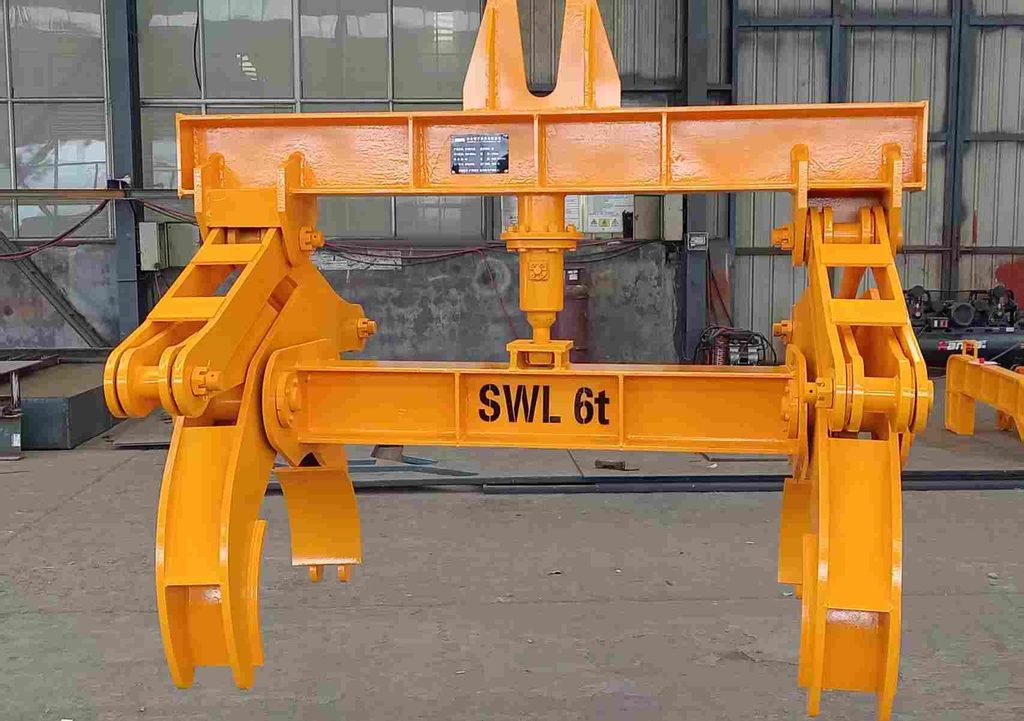
How to Select Pipe Lifting Clamps by Pipe Length
3–4 m Steel Pipes
For short steel pipes around 3–4 meters long, a single appropriately rated pipe lifting clamp can generally be positioned near the center of gravity for horizontal lifting.
Before regular handling, a low-height test lift should be carried out to confirm that the pipe is securely gripped and remains balanced.
4–8 m Steel Pipes
For pipes around 4–8 meters long, two matching clamps are generally recommended.
The lifting points can be positioned at approximately one-quarter of the pipe length from each end. This helps distribute the load more evenly and reduces excessive movement during lifting.
The actual lifting-point spacing should still be adjusted according to the pipe weight and rigidity.
Steel Pipes Over 8 m
For longer pipes, simply adding clamps is not always the best solution.
A lifting spreader beam can be used with two clamps to establish a fixed distance between the lifting points. This helps distribute the load and reduce bending of the pipe during lifting.
For pipes longer than 12 meters, a customized lifting arrangement is recommended. Pipe diameter, wall thickness, total weight and material characteristics should be considered before determining the clamp configuration.
What Factors Affect Pipe Clamp Selection?
Pipe length is only one part of the selection process.
Pipe Weight
The combined weight of the pipe must be within the rated capacity of the lifting system. The clamp itself also has a specified working load limit that should never be exceeded.
Pipe Diameter
The clamp jaw needs to match the applicable pipe diameter range. An unsuitable jaw shape or size can reduce contact and affect gripping performance.
Wall Thickness and Pipe Rigidity
Long, thin-wall pipes can bend more easily than short, heavy-wall pipes. In these cases, a suitable lifting-point arrangement is particularly important.
Lifting Configuration
One clamp, two clamps or a spreader beam should be selected according to the pipe’s actual characteristics rather than length alone.
For custom or unusual pipe dimensions, it is better to have the manufacturer confirm the lifting arrangement before use.
Safe Operating Requirements
Pipe lifting clamps should be used for horizontal lifting only unless the specific clamp is designed and rated for another lifting method.
During operation:
- Do not use the clamp for diagonal or side pulling.
- Check the clamp and gripping surfaces before lifting.
- Make sure the clamp is correctly positioned on the pipe.
- Perform a low-height test lift before transportation.
- Confirm that the load remains stable after lifting.
- Never exceed the rated working load limit.
- Keep personnel away from the suspended load.
For long pipes, load swing and bending should receive particular attention. If the pipe cannot remain stable during the test lift, stop the operation and reassess the lifting arrangement.
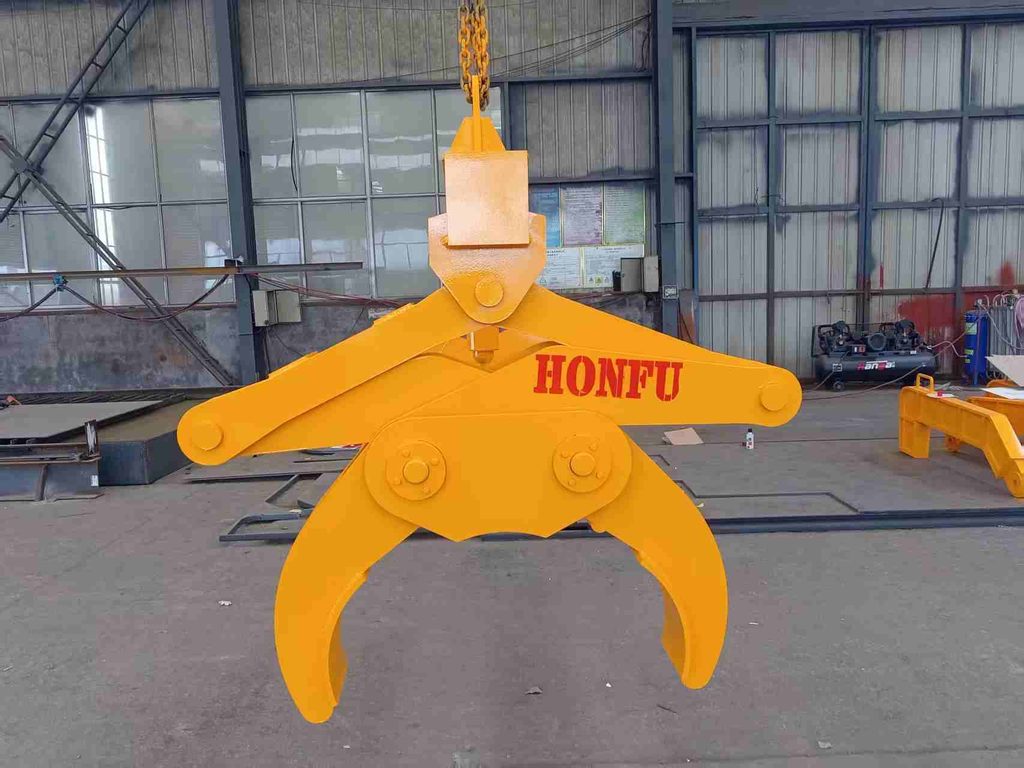
HONFU Pipe Lifting Clamp
HONFU manufactures pipe lifting clamps for horizontal handling of steel pipes and other round tubular materials.
The clamps use high-strength alloy steel and an arc-shaped jaw design to improve contact with different pipe diameters. The gripping structure is designed to distribute the clamping force more evenly and help reduce localized pressure marks on the pipe.
For lifting systems using paired clamps, a linkage mechanism helps coordinate opening and closing, while the top lifting beam is designed to improve load distribution.
Applications include steel plants, building material facilities, pipe processing workshops and logistics warehouses.
For long or non-standard pipes, HONFU can evaluate the pipe diameter, length, weight and lifting conditions to recommend a suitable clamp or customized lifting arrangement.
FAQ
Can one pipe lifting clamp lift a long steel pipe?
It depends on the pipe length, weight, rigidity and clamp capacity. For short 3–4 m pipes, one properly selected clamp may be suitable. Longer pipes generally require two clamps or a spreader beam.
How many clamps are needed for an 8 m steel pipe?
For an approximately 8 m steel pipe, two matching clamps are generally recommended. The lifting points should be arranged to distribute the load evenly.
Can pipe lifting clamps lift 12 m steel pipes?
They can be used as part of a suitable lifting system, but a 12 m pipe should not automatically be lifted with a standard two-clamp setup. Pipe weight, diameter, wall thickness and bending must be evaluated, and a customized solution may be required.
Can pipe clamps be used for diagonal lifting?
No. Unless the specific clamp is designed and rated for diagonal lifting, pipe lifting clamps should be used for horizontal lifting only. Side pulling and diagonal lifting should be avoided.
How do I choose a pipe lifting clamp?
Consider the pipe weight, diameter, length, wall thickness, lifting points and required working load limit. The clamp capacity and applicable pipe diameter range must match the actual application.
HelloPlease log in